
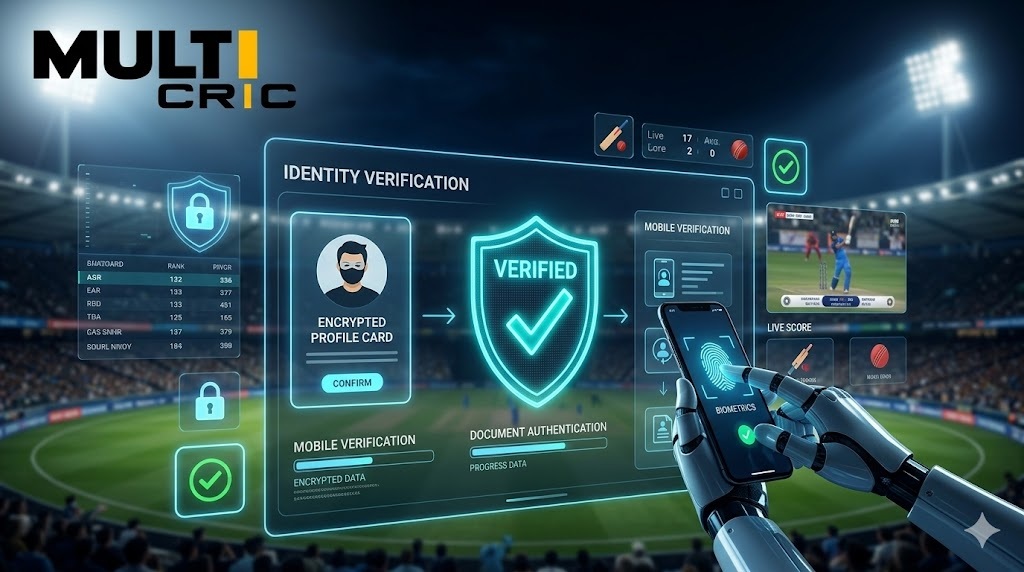
In India’s rapidly growing digital sports ecosystem, MultiCric platforms have become a major hub for cricket fans who want live updates, interactive engagement, and real-time sports experiences. From metro cities like Mumbai and Delhi to smaller towns like Indore, Patna, and Guwahati, millions of users are joining these platforms every day.
But as user traffic increases, so does the challenge of maintaining trust, security, and authenticity. This is where digital verification becomes a game-changer. It ensures that every user on the platform is real, reducing fraud and improving overall platform reliability.
Why Trust Matters in MultiCric Platforms in India
India is one of the largest cricket-loving nations in the world, and MultiCric platforms rely heavily on user engagement. However, with massive growth comes risks like fake profiles, bot activity, and duplicate accounts.
Without proper verification, platforms can face:
- Fake registrations
- Data misuse
- Spam accounts
- Reduced user trust
That’s why user reliability has become the backbone of successful digital cricket ecosystems in India.
What is Digital Verification in MultiCric Platforms?
Digital verification is a security process that confirms whether a user is real and authentic. It uses multiple layers of authentication such as OTP verification, government ID checks, AI-based facial recognition, and device tracking.
For Indian users, this process is especially important because it ensures compliance with digital safety standards and builds a more secure online environment.
How MultiCric Platforms Implement Digital Verification
Modern MultiCric platforms use several advanced techniques to ensure user authenticity:
Mobile OTP Authentication
One of the most widely used methods in India, OTP verification ensures that only users with valid mobile numbers can register. This reduces fake accounts significantly.
Aadhaar and PAN Verification
Many Indian platforms integrate government ID verification systems like Aadhaar and PAN. This adds an extra layer of identity validation and strengthens user reliability.
AI-Based Face Recognition
Some advanced platforms use AI-driven facial recognition to match user selfies with official documents. This ensures that the person registering is genuine.
Device and IP Tracking
Platforms also track device usage patterns and IP addresses to detect suspicious or repeated registrations from the same source.
Benefits of Digital Verification for Indian Users
The adoption of digital verification in MultiCric platforms brings several benefits for users across India:
Stronger Security
Verified accounts reduce the chances of fraud, scams, and misuse of personal data.
Better User Experience
Users interact in a more trusted environment without worrying about fake profiles or spam.
Fair Engagement
Authentic user bases ensure fair participation and more meaningful interactions.
Improved Platform Credibility
Platforms that use verification systems are seen as more trustworthy and reliable in the Indian market.
Compliance with Digital Standards
Verification systems help platforms align with Indian cybersecurity and digital identity regulations.
Real-World Relevance in India
In cities like Bengaluru, Hyderabad, and Pune, where digital adoption is high, users prefer platforms that offer secure onboarding processes. Even in smaller towns, awareness about online safety is increasing, making digital verification a key deciding factor for users choosing MultiCric platforms.
For example, many Indian users now avoid platforms that do not require identity verification because they associate it with higher risk and lower reliability.
SEO and GEO Impact of Verified Platforms
From an SEO perspective, search engines prioritize platforms that demonstrate trustworthiness. Google’s EEAT principles (Experience, Expertise, Authoritativeness, Trustworthiness) reward platforms that implement strong digital verification systems.
For GEO relevance, Indian users searching for safe and reliable cricket platforms are more likely to discover verified MultiCric platforms in search results. This improves organic visibility and user acquisition.
Actionable Tips for Users in India
If you are using any MultiCric platform, here are some practical tips to stay safe:
- Always register on platforms that use digital verification
- Avoid sharing OTPs or personal credentials with unknown sources
- Prefer platforms that use government ID authentication
- Regularly update your account security settings
- Check reviews and credibility before signing up
Following these steps ensures a safer and more reliable digital cricket experience.
Conclusion
The integration of digital verification has completely transformed how MultiCric platforms operate in India. It has strengthened user trust, reduced fraud, and created a more secure environment for millions of cricket fans.
As India continues to lead in digital engagement and mobile-first adoption, verification systems will play an even bigger role in shaping the future of online sports platforms. For users, this means safer access, better experiences, and more trustworthy digital cricket ecosystems.
FAQ
Q. What is the purpose of digital verification in MultiCric platforms?
A. It ensures that every user is genuine, reducing fake accounts and improving platform security.
Q. Is Aadhaar verification necessary for all platforms?
A. Not all platforms require it, but many Indian MultiCric platforms use it for stronger identity validation.
Q. How does OTP verification improve safety?
A. It confirms that the user owns a valid mobile number, reducing fake registrations.
Q. Are verified MultiCric platforms safer?
A. Yes, platforms with digital verification are significantly safer and more reliable.
Q. Why is verification important for Indian users?
A. It protects users from fraud, ensures fair engagement, and builds trust in digital cricket platforms.